Every year, the queue for the Fenwick window starts snaking along Northumberland Street (this year, it’s The Gruffalo’s Child), and the festive bake makes its return to Greggs. Christmas has arrived in Newcastle.
And as the adverts fill with happy families around full tables, the conversations I have with bereaved families begin to change.
Someone will pause and say, quietly, “I don’t know how we’re going to do Christmas this year.”
It’s a question I understand personally.
My mum was diagnosed with Parkinson’s at just 40. Deep brain stimulation surgery gave her some better years, but from 2006 her health declined steadily.
On Christmas Eve 2009, she was suddenly rushed to the RVI. She died three days later.
I spoke at her funeral, and that eulogy is where my work as a celebrant began.
Every Christmas since has carried that anniversary with it.
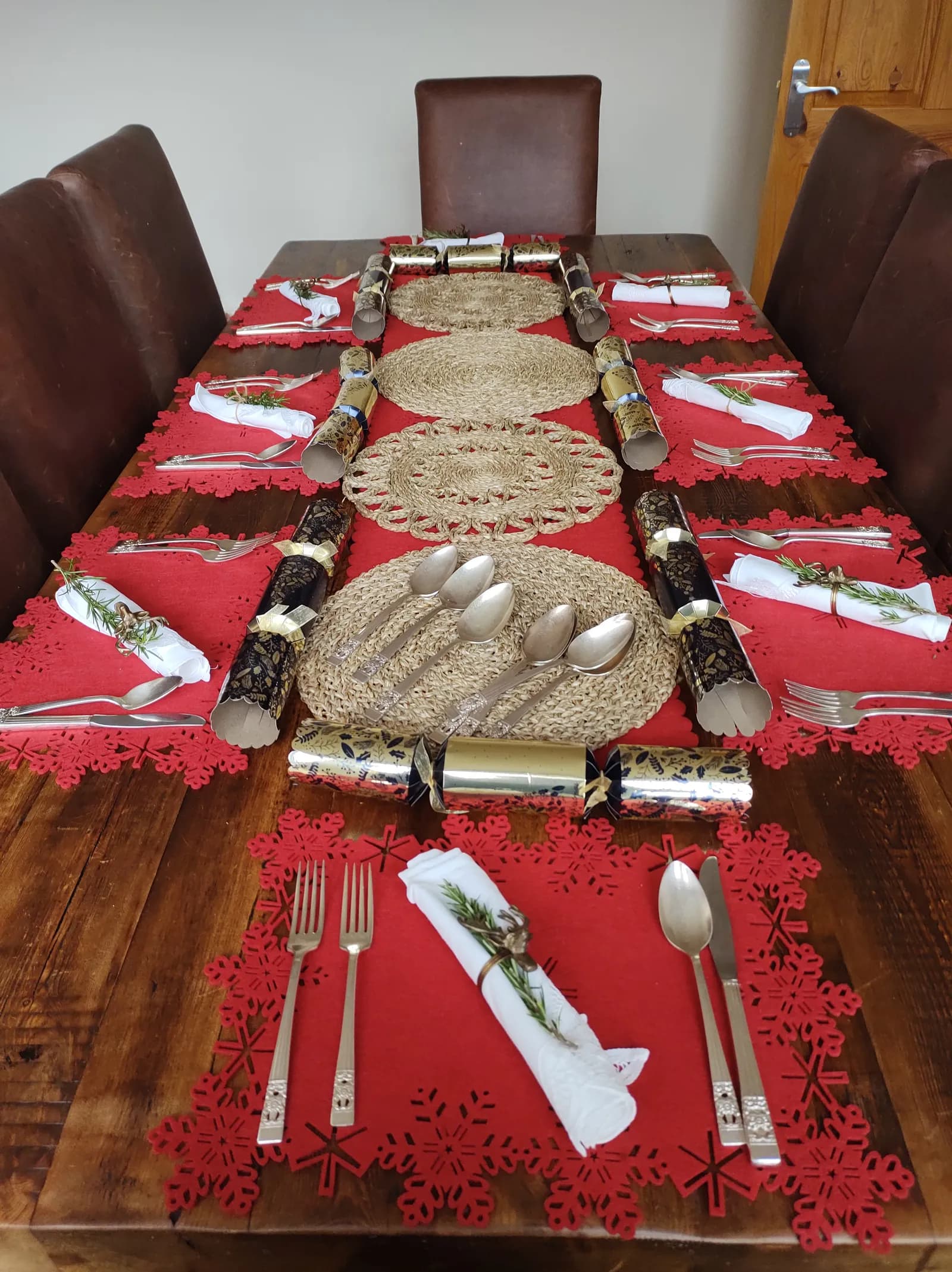
For many people, the first Christmas after a death can be harder than the funeral itself. Christmas is built on tradition, but traditions are really people in disguise. The person who carved the turkey, chose the terrible jumper, or insisted on the King’s Speech at three o’clock leaves a space that suddenly feels very visible.
If that’s where you are this year, I want to say something simple, as someone who has been there: you are not doing it wrong.
No Right Way to Do Christmas
Some families tell me they want everything exactly as it always was, because keeping the traditions feels like keeping that person close. Others can’t bear the thought and decide to go away, eat out, or skip the whole thing.
Both are fine. So is changing your mind on the day.
Grief doesn’t follow a calendar, and it doesn’t take a break for Christmas. You might laugh at a cracker joke and cry ten minutes later over a song on the radio. That isn’t a sign you’re coping badly. It’s a sign you loved someone.
Small Ways to Keep Them in the Room
In my work, I see how much comfort families find in saying a person’s name out loud. Christmas can be a chance to do exactly that. A few small things that may help:
Lighting a candle at the table, or raising a glass to them before the meal.
Hanging a decoration they loved, or one made in their memory.
Cooking their signature dish, even if nobody can get it quite right.
Asking everyone to share one Christmas memory of them, the funnier the better.
Giving to a cause they cared about instead of buying them a present.
None of these needs to be grand. Like the stories I hear when planning a funeral, it’s the small, specific details that mean the most.
Looking After Each Other
It helps to talk about plans before the day, so nobody is caught off guard. Agree that it’s fine for anyone to step outside for a breather, or leave early, without explanation.
If you know someone who is grieving this year, don’t avoid them because you’re worried about saying the wrong thing. A text that says
can mean more than you’ll ever know. Mentioning the person who has died rarely makes things worse. Usually, it’s a relief.thinking of you, and of them
And if the season becomes too much, reach out. Organisations such as Cruse Bereavement Support offer free support.
A Different Kind of Christmas
The first Christmas after a loss will not look like the ones before it. It isn’t meant to.
But over the years, I've realised that something surprising can happen. Amid the sadness, there are moments of real warmth: a shared story, a burst of laughter, a sense that the person is still very much part of the family.
That empty chair shows how much someone mattered. Making room for them, in whatever way feels right, can be a comfort in itself.
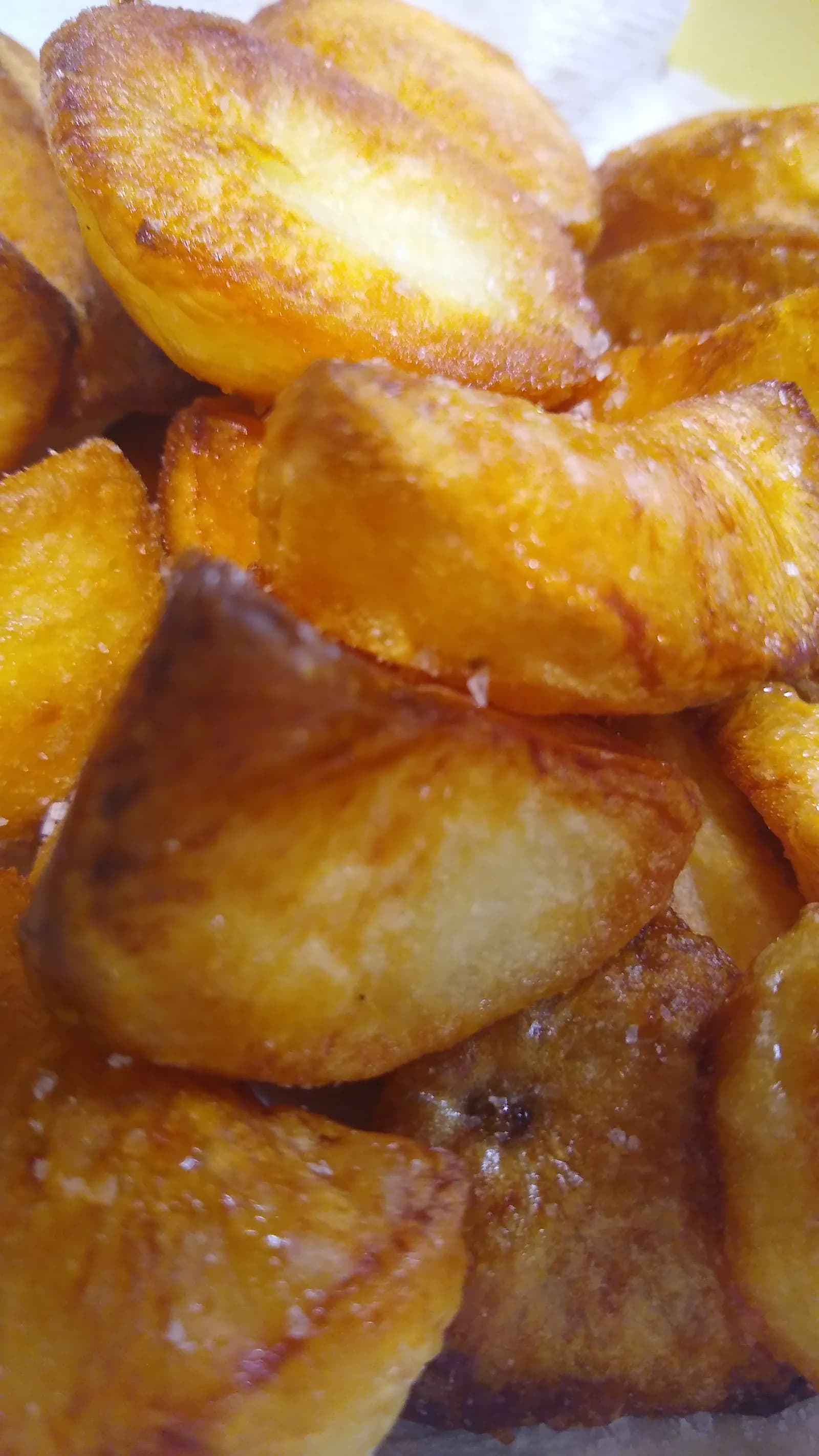
Seventeen Christmases on, I still think of my mum every Christmas Eve. She was a brilliant cook until Parkinson’s took that from her, and she passed her love of feeding people on to me. I’m told my roast potatoes are legendary, but they’re really hers. She’s the one who taught me. So every Christmas, when they come out of the oven, she’s still at the table with us.
I hope, in time, you’ll find that the people you miss most still have a place at the table.
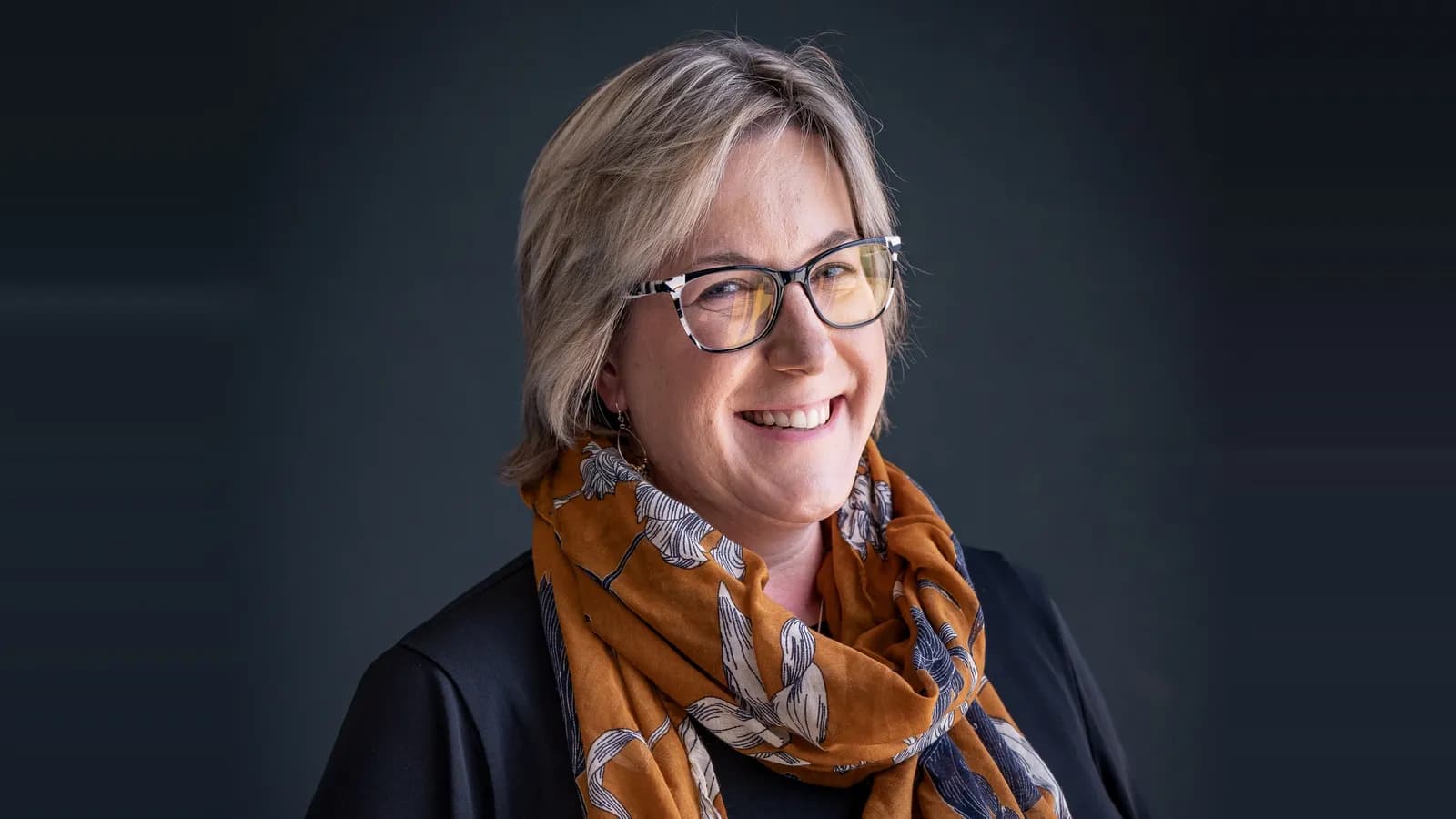
Kay Jones is a Newcastle-based, Humanists UK accredited funeral celebrant working with families across the North East to create personal, non-religious funeral ceremonies that reflect the life, values and personality of the person being remembered.